

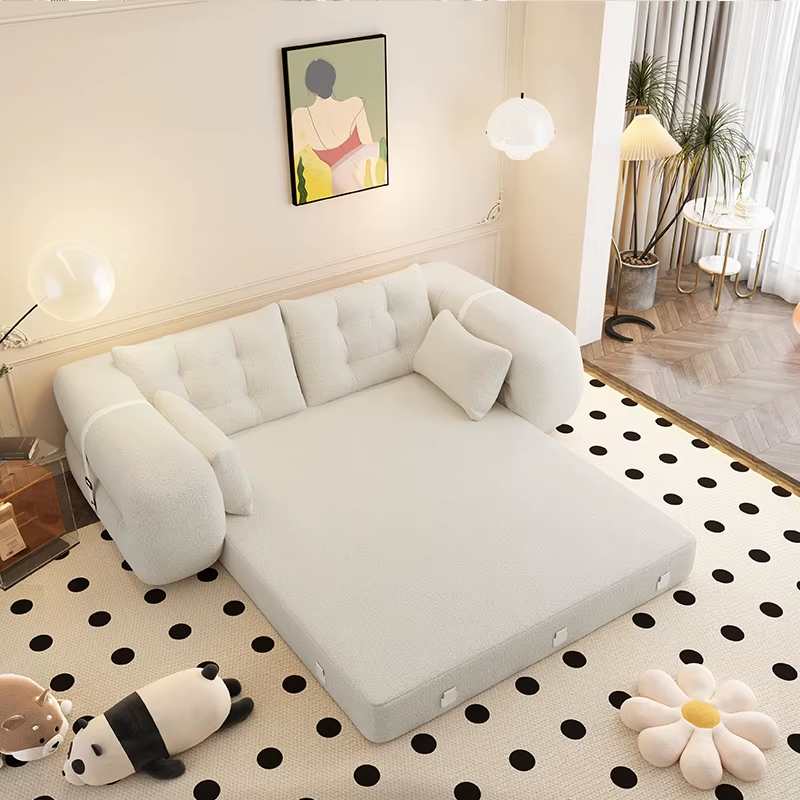
Selecting the right sofa bed transforms how you use your living space. A well-chosen piece serves dual purposes—comfortable seating during the day and a proper sleeping surface at night—making it essential for homes where every square metre counts.
Modern Australian homes increasingly demand furniture that adapts to changing needs. Versatile pieces like sofa beds sydney solve multiple challenges at once:
- Accommodate overnight guests without dedicating an entire room to occasional visitors
- Maximize functionality in apartments and smaller dwellings
- Provide flexible solutions for multi-purpose rooms that shift between home office, entertainment space, and guest bedroom
The difference between a sofa bed that becomes your favourite furniture piece and one that sits unused often comes down to informed decision-making. Poor choices lead to uncomfortable nights for guests, mechanisms that jam after months of use, or bulky frames that overwhelm your living area.
This guide walks through the critical factors when choosing sofa beds at Sydney furniture outlets. You’ll learn how to assess space requirements, compare mattress types, evaluate mechanisms, and balance quality against budget. Whether furnishing a Bondi apartment or a suburban home in Parramatta, these insights help you invest in furniture that genuinely serves your household’s needs.
What Room Size and Space Considerations Should Buyers Keep in Mind?
Room space planning determines whether your sofa bed becomes a practical solution or a daily obstacle. Before visiting any Sydney furniture outlet, measure your room carefully and understand both the footprint of the sofa and the clearance needed when it transforms into a bed.
Measuring Your Available Space
Start by creating a floor plan of your room, noting the dimensions of the entire space and the locations of doors, windows, radiators, and electrical outlets. Sofa bed size matters in two distinct configurations, and many buyers make the mistake of only considering the sofa position.
- Measure from wall to wall in the area where you plan to place the furniture.
- Account for at least 30-45 centimeters of clearance on each side for comfortable movement around the piece. This breathing room prevents your living area from feeling cramped and allows for easy access when converting between sofa and bed modes.
Understanding Dual-Configuration Dimensions
Every sofa bed has two critical measurement sets that impact furniture dimensions planning:
Sofa Configuration:
- Width (armrest to armrest)
- Depth (front edge to backrest)
- Height (floor to top of backrest)
Bed Configuration:
- Extended length (when fully unfolded)
- Width (typically similar to sofa width)
- Required clearance space in front
A standard three-seater sofa bed typically measures 180-220cm in width when closed. When opened, the bed extends forward anywhere from 140-200cm depending on the mechanism type. This forward projection often catches buyers off-guard, particularly in compact Sydney apartments where every centimeter counts.
Calculating the Conversion Zone
The area directly in front of your sofa bed must remain clear for the transformation process. This “conversion zone” extends beyond just the bed’s footprint. You need additional space for:
- Standing room while pulling out or folding the mechanism (approximately 60-80cm)
- Clearance for the mattress to unfold without hitting furniture or walls
- Access to operate the mechanism comfortably
Map this conversion zone on your floor plan using painter’s tape or newspaper sheets cut to size. Walk through the space and simulate the opening process. Can you move freely? Does the
Which Mattress Types Offer the Best Comfort and Durability?
The mattress inside your sofa bed determines whether guests wake up refreshed or with a sore back. Four main sofa bed mattress types dominate the Sydney market: memory foam, high-density foam, innerspring, and latex, each offering distinct advantages for different usage patterns.
Memory Foam Mattress: The Premium Comfort Choice
Memory foam mattresses conform to body contours, distributing weight evenly across the surface. This material responds to body heat and pressure, creating a personalized sleeping experience that reduces pressure points on hips and shoulders. For sofa beds used multiple times per week, memory foam delivers consistent comfort that rivals traditional mattresses.
The density of memory foam matters significantly. Look for mattresses with a density of at least 4 pounds per cubic foot for adequate support. Lower-density options may feel comfortable initially but compress quickly with regular use, losing their supportive properties within months.
Key benefits of memory foam:
- Excellent motion isolation for couples
- Hypoallergenic properties resist dust mites
- Minimal maintenance requirements
- Lifespan of 7-10 years with proper care
The main drawback involves heat retention. Some sleepers find memory foam traps body heat, though newer gel-infused versions address this concern. Budget-conscious buyers should note that quality memory foam mattresses typically add $300-$600 to the sofa bed’s base price.
High-Density Foam: The Budget-Friendly Alternative
High-density foam offers a firmer sleeping surface at a more accessible price point. This material consists of polyurethane foam compressed to create a supportive base. While it lacks the contouring properties of memory foam, high-density foam provides reliable support for occasional guests.
Density ratings between 1.8 and 2.5 pounds per cubic foot indicate quality construction. Anything below 1.8 pounds will flatten rapidly, creating an uncomfortable sleeping surface that sags in the middle. For sofa beds used less than once per month, high-density foam represents a practical choice that balances cost and functionality.
This mattress type excels in seating comfort. The firmer surface maintains its shape during daily use as a sofa, preventing the cushions from sinking over time and ensuring an inviting seating area for both family and friends.
How Does the Sofa Bed Mechanism Affect Usability?
The mechanism determines how easily you can transform your sofa into a bed and back again. A smooth, reliable mechanism makes daily or weekly conversions effortless, while a clunky system can turn a simple task into a frustrating ordeal that discourages regular use.
Understanding Click-Clack Mechanisms
Click-clack mechanisms operate through a simple folding system where the backrest reclines to create a flat sleeping surface. The name comes from the distinctive clicking sound made when the backrest locks into different positions. This design requires minimal effort—users simply lift the seat slightly and push the backrest backward until it clicks into the desired position.
The click-clack mechanism suits those who value speed and simplicity. Converting from sofa to bed takes approximately 5-10 seconds, making it ideal for unexpected guests or daily use in studio apartments. The mechanism typically offers three positions: upright for sitting, slightly reclined for lounging, and fully flat for sleeping.
Space requirements favor click-clack designs since they don’t extend forward into the room. The transformation happens within the sofa’s existing footprint, requiring only clearance behind the unit. Sydney apartments with limited floor space benefit significantly from this vertical rather than horizontal expansion.
However, it’s important to consider whether these sofas are suitable for everyday use. While they offer convenience, the comfort level may not always meet expectations for regular sleeping arrangements.
Pull-Out Sofa Bed Systems
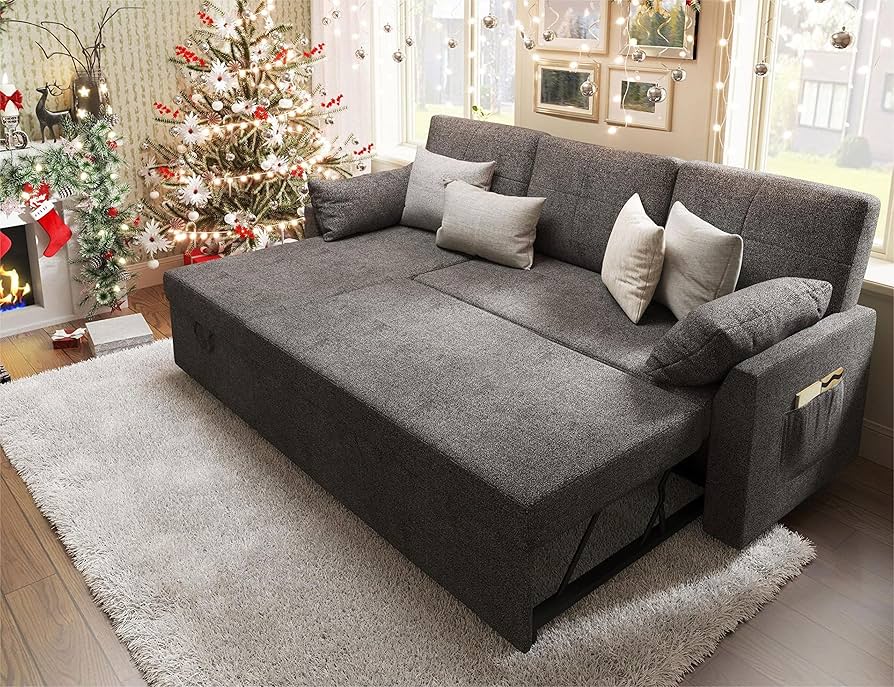
Pull-out sofa beds feature a mattress that slides out from beneath the seat cushions on a metal frame. Users remove the seat cushions, grab a handle or strap, and pull the hidden bed frame forward until it unfolds completely. The mattress typically folds in two or three sections that flatten as the frame extends.
These mechanisms provide a more traditional bed experience with greater mattress thickness options. The pull-out system accommodates memory foam or innerspring mattresses up to 15cm thick, offering superior comfort compared to thinner click-clack mattresses. Guests sleeping on pull-out beds often report better sleep quality due to enhanced support.
The conversion process requires more physical effort than click-clack designs. Users need adequate strength to pull the frame smoothly, though quality mechanisms feature wheels or glides that reduce friction. Expect the transformation to take 30-60 seconds once you’ve mastered the technique.
Space considerations become critical with pull-out mechanisms:
What Extra Features Can Enhance Sofa Bed Functionality?
1. Storage Compartments
Sofa bed storage compartments transform dual-purpose furniture into triple-threat solutions for space-conscious homes. Built-in storage typically appears beneath the seating area or within the armrests, offering hidden compartments for bedding, pillows, throws, and seasonal items. Sydney apartments averaging 70-90 square meters benefit significantly from this feature, eliminating the need for separate linen closets or bulky storage ottomans.
The storage capacity varies dramatically between models. Some designs offer shallow trays suitable for magazines and remote controls, while others feature deep wells capable of holding full bedding sets. Hydraulic lift mechanisms make accessing under-seat storage effortless—simply raise the cushions to reveal the compartment below. This design proves particularly valuable in studio apartments where every centimeter counts.
2. Reclining Function
Reclining sofa beds add an extra dimension of comfort beyond standard sitting and sleeping positions. These models incorporate adjustable backrests that tilt backward to various angles, creating a lounging position perfect for reading, watching television, or afternoon naps. The reclining function operates independently from the bed conversion mechanism, meaning users can recline while keeping the sofa in its compact form.
Manual recliners use a simple lever or push-back system, requiring physical effort to adjust the angle. Electric recliners respond to button controls, offering precise positioning and requiring minimal physical exertion—an important consideration for elderly users or those with mobility limitations. Some premium models include USB charging ports integrated into the control panel, addressing modern connectivity needs without compromising the furniture’s primary functions.
The reclining feature impacts the space requirements. A fully reclined sofa bed needs an additional 30-50 centimeters of clearance behind it, depending on the model. Buyers should measure their available space with this extension in mind, particularly in rooms where the sofa sits against a wall. Wall-hugger designs minimize this clearance requirement by sliding forward as they recline, though these typically cost 15-20% more than standard recliners.
3. Modular Design
Modular sofas revolutionize flexibility in home furnishing. These systems consist of individual sections—armless chairs, corner pieces, ottomans, and chaise lounges—that connect to form custom configurations. The modular design allows homeowners to adapt their seating arrangements based on specific needs or occasions.
For instance:
- When hosting guests overnight, an L-shaped sectional can be transformed into a spacious bed by combining two sofa beds.
- In smaller living areas where maximizing floor space is crucial, an armless chair can be added or removed as necessary without disrupting the overall aesthetic.
- Families with young children may opt for ottomans instead of traditional coffee tables for added safety and versatility.
This level of adaptability makes modular sofas particularly appealing to those who frequently rearrange their living spaces or have evolving lifestyle requirements.
4. Integrated Technology
As technology continues to play an integral role in our lives, integrating it seamlessly into furniture design becomes increasingly important.
Some innovative features found in modern sofa beds include:
- Built-in Bluetooth speakers for wireless audio streaming
- USB charging ports for convenient device power-ups
- LED lighting fixtures that create ambiance during nighttime use
These tech-savvy additions cater to contemporary lifestyles where entertainment options abound and connectivity is paramount.
When considering these extra features alongside traditional factors such as size and style preferences , potential buyers can make
How Should Fabric and Color Influence the Choice?
Fabric selection determines both the longevity and daily maintenance requirements of your sofa bed. The upholstery you choose directly impacts how well the piece withstands regular use, particularly when converting between sofa and bed positions creates additional wear on the material.
Understanding Sofa Bed Fabric Options
Different fabric types offer varying levels of durability and care requirements. Linen provides a natural, breathable option that suits Sydney’s climate, though it wrinkles easily and requires more frequent maintenance. Polyester blends resist staining and fading while maintaining their shape through repeated use, making them ideal for households with children or pets. You may visit https://backwoodsgallery.com/top-5-sofa-beds-perfect-for-sydney-apartments-and-guest-rooms/ to learn about top 5 sofa beds perfect for sydney apartments and guest rooms
Leather and faux leather represent premium choices that age gracefully and clean with simple wiping. These materials handle spills better than most textile options, though they may feel less comfortable in Sydney’s warmer months without adequate air conditioning. Microfiber fabrics combine softness with remarkable durability, resisting water and stains while remaining budget-friendly.
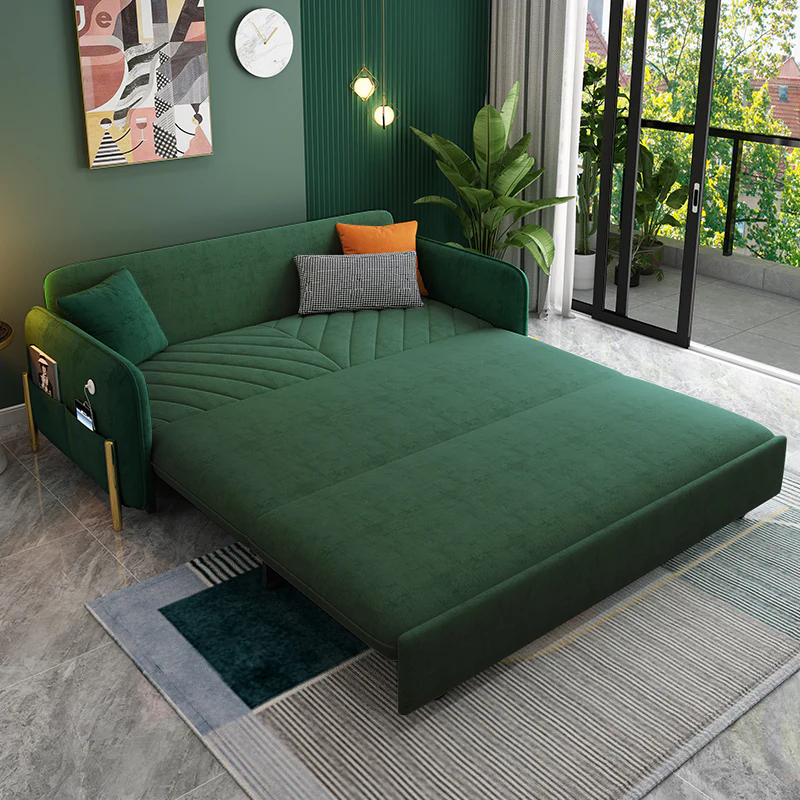
Velvet has gained popularity in contemporary Australian homes for its luxurious appearance and texture. Modern velvet treatments include stain-resistant coatings that make this once-delicate fabric surprisingly practical for everyday use. The material’s dense pile naturally resists showing wear patterns, keeping the sofa bed looking fresh longer.
Durability Ratings Matter for High-Traffic Pieces
The Martindale rub test measures fabric durability through simulated wear cycles. For sofa beds used weekly or more frequently, look for fabrics rated at 25,000 rubs or higher. Daily-use pieces benefit from ratings exceeding 40,000 rubs, ensuring the upholstery maintains its appearance through constant conversion and seating.
Tight-weave fabrics generally outlast loose weaves, as they resist snagging and pilling. Check the thread count and weave density when examining sofa bed fabric options in-store. Run your hand across the material—high-quality upholstery feels substantial and recovers quickly from pressure without leaving marks.
Stain-Resistant Upholstery Provides Peace of Mind
Treated fabrics repel liquids, giving you crucial time to blot spills before they penetrate fibers an
Why Is Frame Material Important for Longevity?
The frame serves as the skeleton of your sofa bed, directly determining how long the piece will last and how well it performs under regular use. Choosing between timber and steel frames represents one of the most critical decisions when selecting a sofa bed from a Sydney furniture outlet, as this choice affects everything from structural integrity to long-term value.
Understanding Timber Frame Construction
Timber frames have been the traditional choice for furniture construction for centuries, and for good reason. Hardwood frames—particularly those crafted from eucalyptus, oak, or beech—offer exceptional strength while maintaining a lighter overall weight compared to metal alternatives. These natural materials provide enough flexibility to absorb stress without cracking, making them ideal for furniture that converts between configurations multiple times.
Quality timber frames feature kiln-dried wood that resists warping and splitting over time. The drying process removes excess moisture, stabilizing the wood and preventing the frame from developing structural weaknesses as it ages. When examining sofa bed frame materials in showrooms, look for solid hardwood construction rather than particleboard or plywood, which deteriorate rapidly under the mechanical stress of frequent conversion.
Timber frames excel in environments where weight matters. If you live in an apartment or plan to rearrange furniture regularly, a timber-framed sofa bed offers easier mobility without sacrificing durability. The natural shock-absorption properties of wood also reduce noise during conversion, creating a quieter experience when transforming the piece from sofa to bed.
The Case for Steel Frame Durability
Steel frames represent the pinnacle of structural strength in sofa bed construction. These frames withstand significantly more weight and stress than timber alternatives, making them the preferred choice for sofa beds that will see daily use or accommodate heavier individuals. A well-constructed steel frame can support weights exceeding 250 kilograms without flexing or showing signs of strain.
The powder-coated steel used in quality sofa beds resists rust and corrosion, maintaining structural integrity even in humid Sydney conditions. Unlike timber, which can be affected by moisture and temperature fluctuations, steel remains dimensionally stable regardless of environmental factors. This consistency ensures the conversion mechanism operates smoothly year after year without adjustment.
Steel frames typically feature welded joints rather than screwed connections, eliminating common failure points
How Can Style and Shape Affect Home Aesthetics?
The style you choose for your sofa bed can greatly impact how well it fits in with your current interior design. When the sofa bed and other furniture in the room visually complement each other, it creates a harmonious and intentional look. On the other hand, if they clash or don’t go well together, the space may feel disorganized and lacking cohesion.
Understanding Design Elements of Sofas
The overall aesthetic of a sofa is determined by various design elements that work in harmony. These elements include features such as the shape of the backrest and the style of the legs. Each component contributes to the visual weight and character of the furniture within your room.
Different Backrest Designs for Different Styles
Backrest designs can vary widely depending on the style of the sofa:
- Tufted backrests with button detailing suit traditional and Chesterfield-inspired interiors
- Clean, straight-backed designs complement contemporary and minimalist spaces
- Curved or rolled backrests work well in transitional homes that blend classic and modern elements
- Channeled or ribbed backrests add texture and visual interest to mid-century modern settings
In Sydney, homes with heritage details benefit from sofa beds featuring classic backrest profiles. Meanwhile, newer apartments with open-plan layouts often accommodate sleeker, low-profile designs.
Armrest Considerations for Visual Balance
Armrest styles play a significant role in both comfort and aesthetics. Track arms create sharp, defined lines perfect for modern interiors, while rolled arms soften the silhouette for more traditional spaces. Flared arms add a retro touch suitable for eclectic or vintage-inspired rooms.
The width of armrests affects the visual footprint of the sofa bed. Slim arms maximize seating space and create an airier appearance—ideal for compact Sydney apartments. Wider, padded arms provide additional comfort but require more floor space and can make rooms feel smaller.
When choosing armrests, consider how their height relates to adjacent furniture. Low-profile arms allow sight lines across the room, maintaining an open feel. Higher arms create more defined seating zones and offer better side support when lounging.
Leg Styles That Ground Your Design
While sofa bed legs may seem like minor details, they actually have a significant impact on how the piece looks overall. The choice of leg style can either enhance or detract from the overall design aesthetic you want to achieve in your space.
The Importance of Exposed Wooden Legs
Exposed wooden legs are a popular choice for many sofa beds because they bring warmth and character to a room. Whether you opt for walnut or oak finishes, these natural materials showcase craftsmanship and add an organic element to your decor.
Balancing Visual Weight with Metal Legs
On the other hand, if you’re going for a more industrial or contemporary look, metal legs might be more suitable. Sleek metal designs can create an illusion of lightness and balance out heavier upholstery fabrics or bulky shapes.
Creating Contrast with Upholstered Legs
Another option is upholstered legs that match the fabric of your sofa bed. This creates a seamless transition between different elements in your design scheme but may not work as well if you desire contrast or visual interest.
By carefully considering each design element—from backrests to legs—you can ensure that your chosen sofa bed enhances rather than disrupts your home aesthetics.
What Should Be Considered Regarding Comfort and Support?
Comfort and support determine whether a sofa bed becomes a cherished piece of furniture or a regrettable purchase. The dual functionality means the piece must perform well as both a daily seating option and an occasional (or frequent) sleeping surface, requiring careful evaluation of both modes before committing to a purchase.
Why Sofa Bed Comfort Testing Matters for Both Functions
Testing a sofa bed in its seating configuration reveals how well it supports your back during movie marathons, reading sessions, or casual conversations. Sit for at least 10-15 minutes in various positions—upright, reclined, and with legs crossed. The cushions should provide enough firmness to prevent sinking while offering sufficient give for comfort. Pay attention to how the backrest supports your lumbar region and whether the seat depth allows your feet to touch the floor comfortably without cutting off circulation behind your knees.
The sleeping position requires equal scrutiny. When the sofa bed is fully extended, lie down as you would naturally sleep—on your back, side, or stomach. Spend several minutes in each position to assess whether the mattress maintains proper spinal alignment. A quality sofa bed shouldn’t create pressure points at your shoulders, hips, or lower back. The sleeping surface should feel consistent across its entire length, without dips, lumps, or uncomfortable bars from the mechanism beneath.
Evaluating Sleeping Support Features for Different Sleep Styles
Back sleepers need a mattress that prevents the lower back from sinking too deeply while supporting the natural curve of the spine. Test this by sliding your hand under your lower back while lying down—if there’s excessive space, the mattress may be too firm; if your hand gets trapped, it’s too soft.
Side sleepers require more cushioning at pressure points, particularly at the shoulders and hips. The mattress should contour to these areas without allowing the body to sink so deeply that the spine curves unnaturally. Check that your shoulder doesn’t feel compressed and that your hip doesn’t create a painful pressure point.
Stomach sleepers benefit from firmer support to prevent the pelvis from sinking and creating an uncomfortable arch in the lower back. The mattress should keep the body relatively level from head to toe.
How Does Budget Influence Sofa Bed Choices?
Budget determines which features, materials, and quality levels you can access when shopping for a sofa bed. Understanding typical sofa bed pricing Sydney ranges helps set realistic expectations and prevents disappointment during your search.
What Price Ranges Can You Expect at Sydney Furniture Outlets?
Sydney furniture outlets typically stock sofa beds ranging from $1,500 to $4,000, with the majority of quality options concentrated in the $2,000-$3,000 bracket. Entry-level models around $1,500 usually feature basic mechanisms, lower-density foam mattresses, and simpler frame construction. Mid-range options between $2,000-$3,000 offer improved mattress quality, more durable fabrics, and smoother conversion mechanisms. Premium models exceeding $3,500 incorporate high-end materials like genuine leather upholstery, solid timber frames, and advanced memory foam mattresses.
The price variation reflects differences in construction quality, material choices, and design complexity. A $1,800 sofa bed might use particle board framing and basic polyester fabric, while a $3,200 model features hardwood construction and performance fabrics with stain-resistant treatments.
How Should You Balance Quality Against Budget Constraints?
Identifying your usage frequency helps determine where to allocate your budget effectively. Daily use demands investment in superior mattress quality and robust frame construction, even if this means compromising on aesthetic features. Occasional guest accommodation allows more budget flexibility toward design elements rather than heavy-duty components.
Priority allocation strategies include:
- Daily sleepers: Allocate 60% of budget to mattress and frame quality, 40% to upholstery and features
- Weekly users: Split budget evenly between structural components and comfort features
- Monthly or occasional use: Invest 60% in aesthetics and space-saving features, 40% in basic durability
Consider the cost-per-use calculation when evaluating affordable sofa beds. A $2,800 sofa bed used nightly for five years costs approximately $1.53 per day, while a $1,600 model requiring replacement after three years costs $1.46 daily. The higher initial investment often delivers better value through extended lifespan and enhanced comfort.
What Maintenance Practices Keep a Sofa Bed in Good Condition?
Proper maintenance extends your sofa bed’s lifespan significantly, protecting your investment while keeping it looking and functioning like new. Regular care routines prevent premature wear, maintain hygiene, and preserve both the aesthetic appeal and structural integrity of your furniture piece.
How Often Should You Vacuum and Clean Cushions?
Weekly vacuuming removes dust, crumbs, and allergens that accumulate in cushion crevices and fabric surfaces. Use the upholstery attachment on your vacuum cleaner to gently clean all surfaces, paying special attention to seams and areas where the backrest meets the seat. This simple sofa bed maintenance tip prevents particles from embedding deep into the fabric fibers, which can cause premature deterioration.
For deeper cleaning, remove cushion covers monthly if they’re washable. Check manufacturer labels for specific washing instructions—most fabric covers tolerate gentle machine washing in cold water. Air-dry covers completely before replacing them to prevent mildew growth. Non-removable covers benefit from professional upholstery cleaning every 12-18 months, depending on usage frequency.
Why Is Mattress Rotation Essential?
Rotating the mattress every three months distributes wear evenly across the sleeping surface. This practice prevents sagging in commonly used areas and maintains consistent support levels. Flip the mattress end-to-end during each rotation, ensuring both sides receive equal pressure distribution over time.
Memory foam and high-density foam mattresses particularly benefit from regular rotation. These materials can develop permanent indentations if the same area bears weight repeatedly. Set calendar reminders to maintain this schedule, as consistent rotation can add years to your mattress’s functional life.
What Strategies Protect Fabric from Sun Damage?
Direct sunlight causes fabric fading, weakening fibers and creating uneven color patches. Position your sofa bed away from windows receiving intense afternoon sun, or use sheer curtains and blinds to filter UV rays during peak hours. Window films offer another protective layer, blocking harmful rays while maintaining natural light in your room.
Fabric care for sofas includes rotating the sofa bed’s position every few months if possible. This rotation ensures any sun exposure affects all areas equally, preventing noticeable fading patterns over time.
Why Is Trying the Sofa Bed In-Person Recommended?
Testing sofa beds in-store provides insights that online shopping simply cannot replicate. Physical interaction with the furniture reveals comfort levels, build quality, and functional details that photos and descriptions often miss or misrepresent.
The Limitations of Online Shopping for Sofa Beds
Digital product images can be misleading in several ways. Camera angles may distort the actual size of a piece, making a compact sofa bed appear more spacious or vice versa. Color representation varies significantly across different screens—what looks like a warm beige on your laptop might arrive as a cool grey in your living room.
Online descriptions rely on subjective language that means different things to different people. When a retailer describes a sofa bed as “firm” or “plush,” these terms lack standardization. Your interpretation of firm support might differ dramatically from the manufacturer’s definition. Written specifications provide measurements and materials but cannot convey how the cushions actually feel under your body weight or how the fabric texture responds to touch.
Assessing Comfort Through Direct Experience
Seating comfort requires personal evaluation. Sit on the sofa bed exactly as you would at home—lean back, cross your legs, shift positions. Notice whether the seat depth accommodates your leg length without cutting off circulation behind your knees. Check if the backrest height supports your shoulders and neck adequately. Some designs feature deeper seats that suit taller individuals but leave shorter people feeling like they’re perched uncomfortably far from the edge.
Sleeping comfort demands equal attention during furniture shopping tips Sydney experts consistently emphasize. Ask store staff to convert the sofa bed into sleeping position. Lie down for several minutes, not just a quick test. Roll from side to side. If you typically sleep on your stomach, test that position. If you’re a side sleeper, verify the mattress provides sufficient cushioning for your hips and shoulders.
The mattress firmness that feels perfect for sitting may prove too hard or too soft for sleeping. Memory foam responds to body heat and pressure over time—a characteristic you can only truly evaluate through extended contact. Spring mattresses reveal their support patterns and potential pressure points when you actually lie on them rather than simply pressing down with your hand.
Evaluating Mechanism Functionality
The conversion mechanism—the system that transforms the sofa into a bed—deserves careful inspection as well. Test it out yourself to ensure ease of use; after all, this is an operation you’ll perform regularly when hosting guests or transitioning between day and night functions.
Check if there are any obstructions preventing smooth movement during setup or takedown processes. A well-designed mechanism should allow effortless transformation without requiring excessive force or awkward maneuvers.
Assessing Durability Through Observation
While physical tests provide valuable insights into comfort levels, durability assessment often relies on visual cues combined with manufacturer information:
- Material quality: Examine upholstery fabrics closely—are they sturdy enough to withstand daily wear? Look for signs of fraying edges or loose threads indicating poor craftsmanship.
- Frame construction: Investigate what lies beneath those plush cushions—does it feature solid hardwood frames known for longevity? Avoid models constructed primarily from particleboard which may sag over time.
- Warranty coverage: Don’t forget about warranties! They offer additional reassurance regarding durability expectations—longer warranties typically indicate greater confidence from manufacturers about their products’ lifespan.
By combining these methods—direct experience coupled with careful observation—you’ll gain comprehensive understanding of each sofa bed’s suitability both for seating purposes during daytime activities as well as restful nights spent hosting visitors!