

In Australia, the right approach often depends on location, foot traffic, staffing realities, and seasonality. What works for a laneway café in Melbourne may not suit a coastal venue on the NSW South Coast.
What does “food and hospitality” actually cover in Australia?
Food and hospitality covers how venues plan menus, prepare food safely, price items, hire and train staff, and deliver service customers remember. In Australia, it also includes compliance expectations around food safety, wage obligations, and responsible service where relevant.
Most venues succeed when they treat food and hospitality as both experience and operations. That means clear standards behind the scenes and a consistent feel out front, whether they are serving dine-in customers or offering convenient options like brownie box delivery for special occasions and gifts.
How should they start if they are new to food and hospitality?
They should start by choosing a clear venue type, a tight menu, and a service style they can deliver reliably. Early wins come from doing a small number of things well rather than trying to please everyone.
In food and hospitality, consistency beats complexity at the beginning. A simple menu, repeatable prep, and a predictable customer journey reduces waste and helps staff build confidence.
How do they choose the right concept for their suburb or region?
They should match the concept to local demand, spending habits, and competition within a practical radius. In Sydney or Brisbane, that might mean looking at office trade versus weekend trade. In regional centres, it may hinge on tourism peaks, events, and school holiday patterns.
A concept is “right” when food and hospitality choices align with who actually walks past the door. If their customers want quick lunch, a slow degustation model will struggle without a strong destination pull.
What are the non negotiables of food safety and compliance?
They should treat food safety as core operations, not a checklist. That includes temperature control, allergen management, cleaning schedules, storage rules, and staff hygiene habits that are followed even during rush periods.
In Australian food and hospitality, councils and state regulators can conduct inspections, but the bigger risk is often reputational damage. Using a restaurant compliance checklist can help businesses maintain clear labelling, staff training, and documented processes that protect customers while also protecting the reputation and long-term success of the business.
How can they design a menu that is profitable and still appealing?
They should build a menu around ingredients that can be cross used, priced with realistic margins, and executed quickly with available labour. A menu that looks exciting but slows the pass can ruin service and increase refunds.
Food and hospitality margins improve when they track food cost, wastage, and prep time together. Many venues also benefit from one or two signature items that create repeat visits without expanding the whole menu.
How should they price items without guessing?
They should price using food cost targets, labour realities, and competitor context, then test and refine based on sales mix. If a dish sells well but ties up kitchen time, the price may need to rise or the method needs simplifying.
In food and hospitality, pricing is also communication. Customers accept higher prices when portions, quality, and service feel aligned, especially in premium areas like inner Melbourne or parts of the Gold Coast.
How do they build service standards that feel human, not scripted?
They should set a few visible service behaviours and train them until they become habit. Examples include greeting within 30 seconds, confirming dietary needs, and checking satisfaction once during the meal.
Good food and hospitality service feels natural because staff are empowered with clear boundaries and practical guidance. Applying customer service training tips can help teams handle complaints, delays, and mistakes effectively, allowing the venue to maintain a calm and professional atmosphere even during busy periods.
What staffing approach works best when hospitality labour is tight?
They should hire for attitude, then train for skill, while keeping roles simple and repeatable. Cross training helps cover sick days and reduces dependence on one key person.
In Australian food and hospitality, roster pressure is real, so systems matter. Clear prep lists, opening and closing procedures, and a realistic service model reduce burnout and improve retention.
How can they improve customer experience without major renovations?
They should focus on speed, clarity, and comfort. Small changes like better signage, a smoother ordering flow, improved acoustics, or more thoughtful table spacing can lift perceived quality quickly.
Food and hospitality experience is often shaped by friction points. If customers struggle to order, find seating, or understand the menu, they will not return, even if the food is strong.
When should they add delivery or takeaway to the mix?
They should add delivery or takeaway when the kitchen can handle extra volume without hurting dine in service. The offering should also travel well and stay on brand, rather than being a random add on.
In food and hospitality, delivery only works when packaging, timing, and order accuracy are tight. Many venues succeed by starting with click and collect, then expanding once they understand peak demand.
How does brownie box delivery fit into modern hospitality?
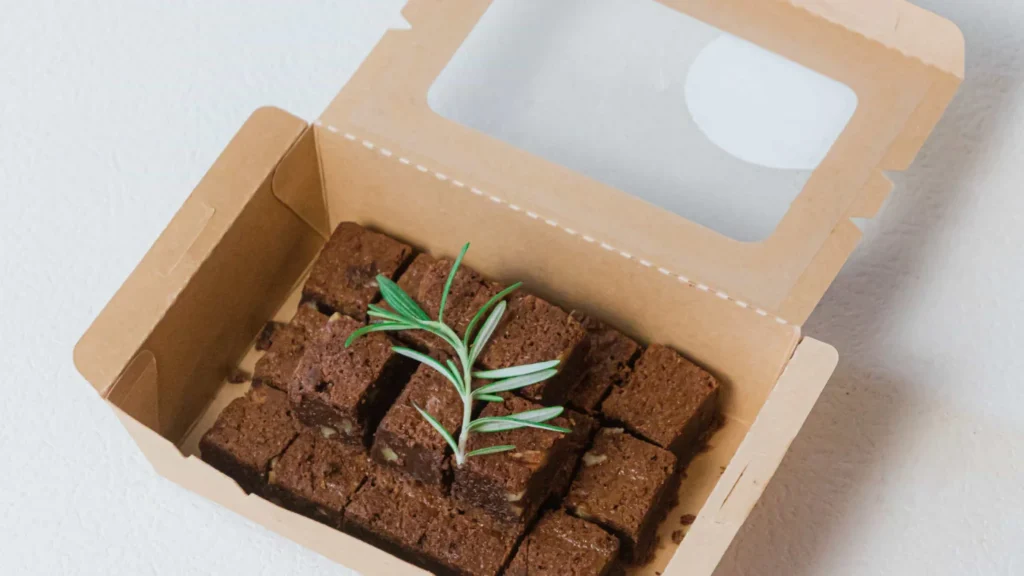
Brownie box delivery fits when they want a low friction product that travels well, photographs well, and can be sold beyond the dining room. It can work for cafés, bakeries, caterers, and even restaurants looking for a simple retail style add on.
For many Australian operators, brownie box delivery also suits gifting. It can target birthdays, settlement gifts, corporate thank you packs, and seasonal moments like Easter, EOFY, or Christmas.
What makes a brownie box delivery offer actually profitable?
They should treat it like a mini product line, not a side project. That means standardised portioning, predictable packaging costs, and a production plan that fits into quieter prep windows.
Brownie box delivery becomes more profitable when they control add ons and reduce customisation. Clear box sizes, limited flavour rotations, and batch production help maintain margins without increasing labour.
How should they manage packaging and presentation for brownie box delivery?
They should choose packaging that protects texture, handles Australian weather, and still looks premium on arrival. Heat, humidity, and handling during transit can ruin a soft bake if the box traps moisture or offers no structure.
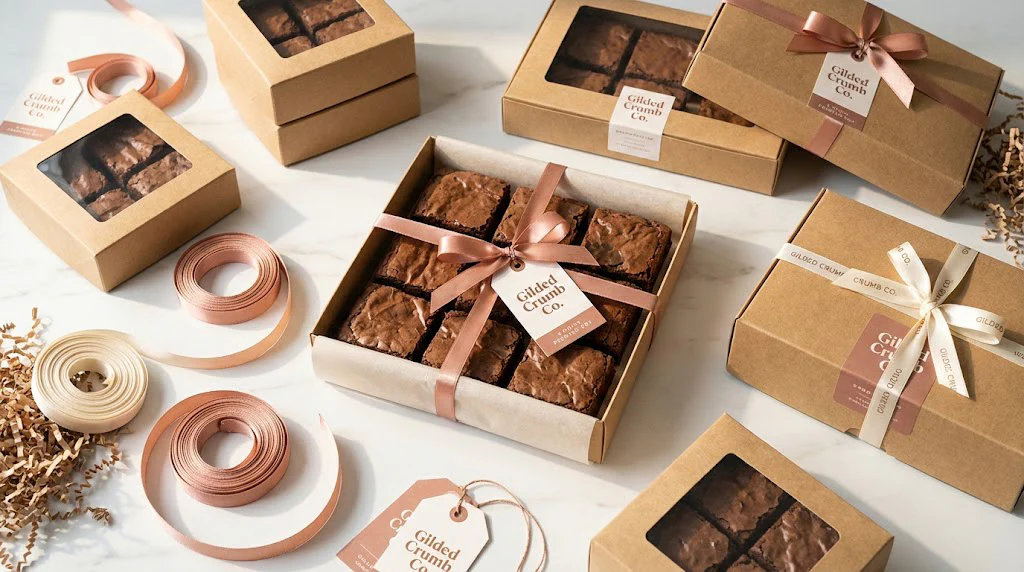
Brownie box delivery presentation matters because it replaces the in venue experience. A simple branded sleeve, ingredient card, allergen note, and clean sealing method can make the product feel trustworthy and gift ready.
What operational checks reduce mistakes in delivery orders?
They should use a repeatable pick and pack checklist and a clear labelling system for names, delivery windows, and allergens. Most delivery issues come from misreads during busy periods, not from bad intent.
In food and hospitality, accuracy is part of service. If they treat brownie box delivery like a service station, with one person responsible for final checks, refunds and complaints usually drop fast.
How can they market brownie box delivery without sounding salesy?
They should lead with use cases and timing, not hype. Examples include “Friday office shout,” “new baby gift,” “settlement thank you,” or “winter comfort box,” all framed for Australian customers.
Brownie box delivery can also benefit from building strong local partnerships. Exploring food delivery partnership opportunities can help businesses collaborate with florists, real estate agents, or corporate administrators to reach more customers and create repeat orders. They should also make reordering simple with a dedicated page, clear lead times, and an easy process for returning clients.
What metrics tell them whether their approach is working?
They should track a small set of numbers weekly: average order value, gross margin, labour cost trend, refund rate, repeat purchase rate, and top selling items. For delivery, they should also track packaging cost per order and time spent per box.
Food and hospitality decisions get easier when data is visible. If brownie box delivery increases revenue but crushes prep time, the numbers will show it, and they can adjust before staff burn out.
How do they choose the “right approach” as they grow?
They should scale what is repeatable, protect what customers love, and cut what causes chaos. Growth can be a second location, a bigger kitchen, catering, or a focused product line like brownie box delivery.
In food and hospitality, the best approach is usually the one they can deliver every day. Strong basics, clear service, and a simple expansion path lets them grow without losing the quality that built their reputation in the first place.