
Whether they are packing a school bag in Brisbane, setting up party favours in Sydney, or stocking a classroom in regional Victoria, the right choice saves breakages and avoids hassle.
What are pencil toppers actually for?
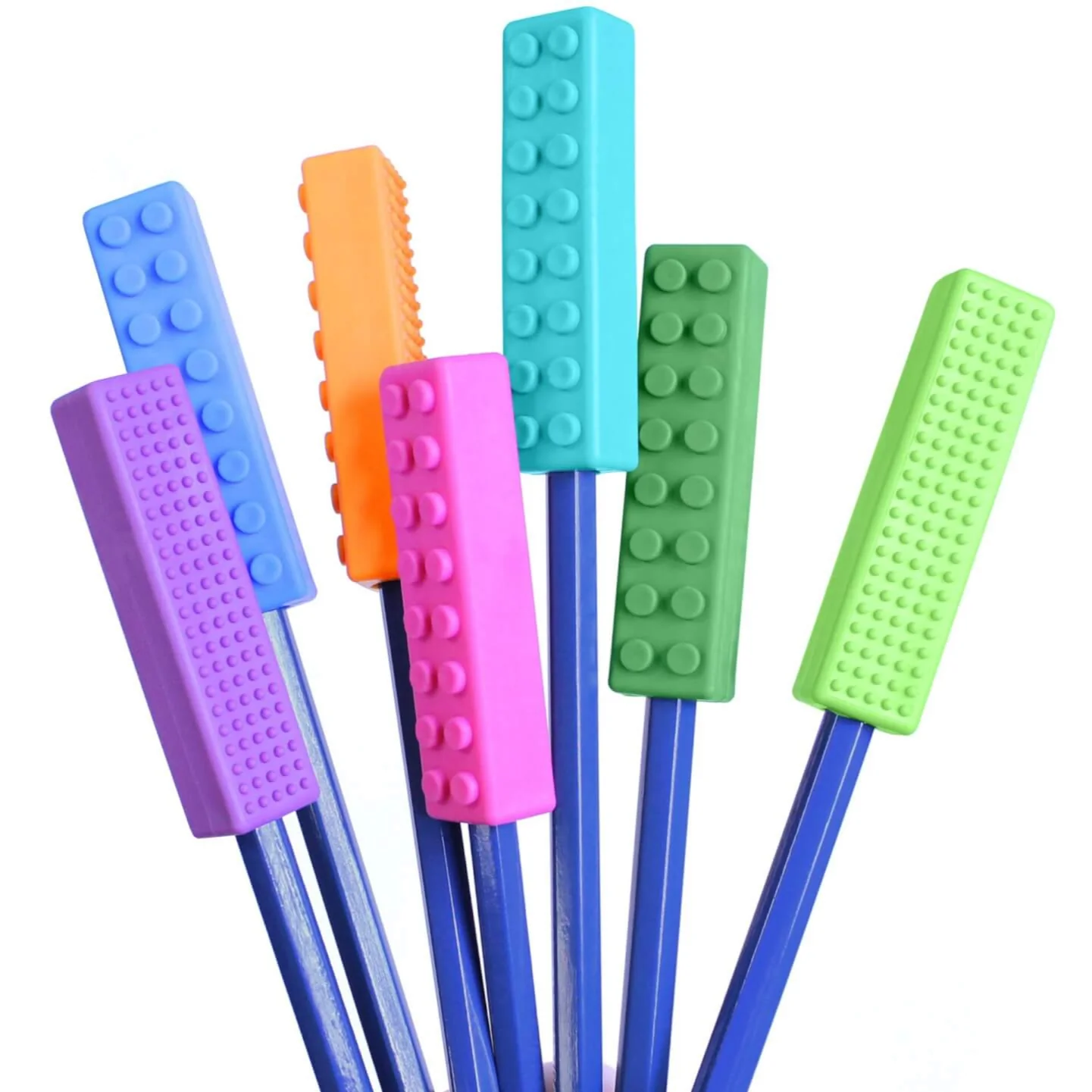
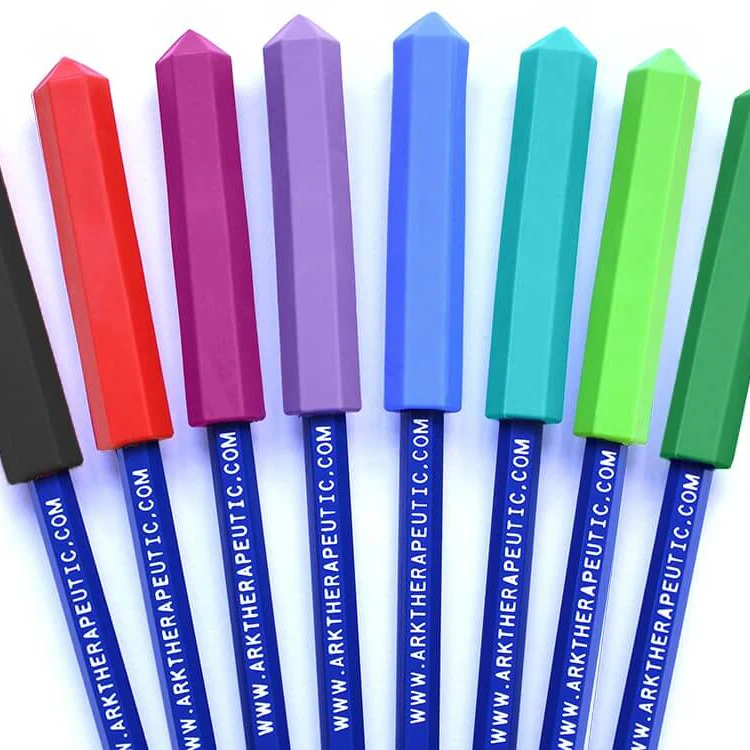
They are usually used for decoration, grip comfort, and keeping pencil tips protected in a pencil case. Pencil toppers can also help identify pencils quickly, which is handy in shared spaces like classrooms, tutoring centres, and libraries.
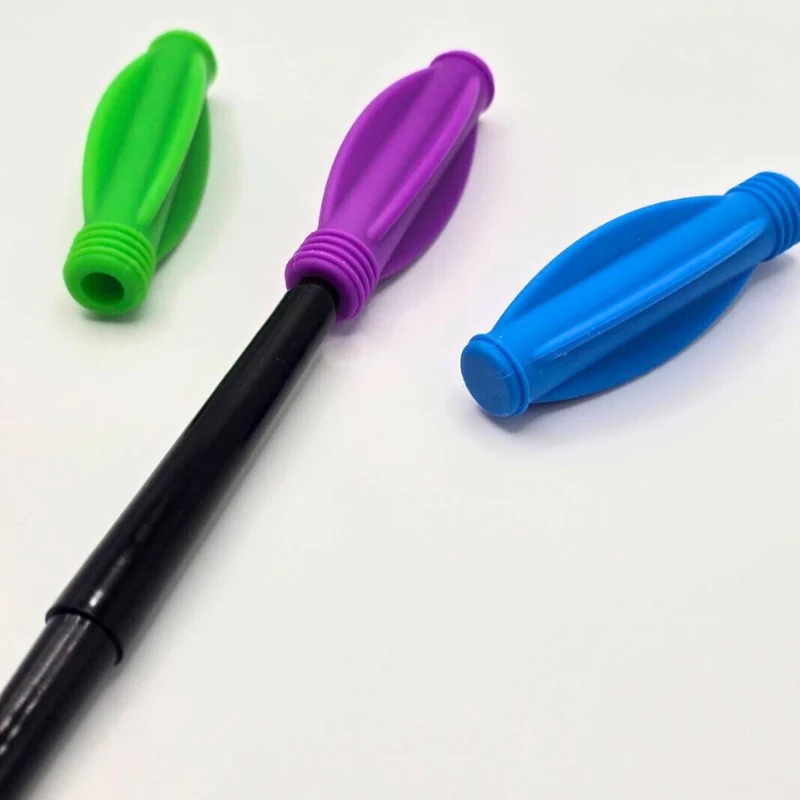
Some are purely fun, while others are designed to support handwriting control with softer shapes and more surface area.
How should they check the fit on Australian pencil types?
They should confirm the topper matches the pencil’s shape and size, especially with common HB hex pencils used in Australian schools. Pencil toppers that are too tight can split, while loose ones fall off in a school bag or during exams.
If they use thicker novelty pencils or coloured pencils, they should look for flexible openings or size options, not a one-size claim.
Which materials are best for comfort and durability?
Soft silicone and quality rubber tend to feel comfortable and last longer with repeated on-and-off use. Pencil toppers made from brittle plastic can crack, and very soft foam can tear or collect grime quickly.
For daily school use, they should prioritise materials that stay grippy without becoming sticky in warm Australian weather.
What safety features matter for kids in Australian schools?
They should check for age grading and avoid small parts for younger children, especially in early learning settings. Pencil toppers should fit securely so they do not become an easy-to-drop choking hazard.
If they are buying for a school, they should also look for non-toxic labelling and avoid strong chemical smells, which can signal low-quality manufacturing.
Do they need toppers that help with handwriting and grip?
If the child or student struggles with pencil control, they may benefit from wider, softer shapes that encourage a steadier hold. Exploring pencil grip exercises for kids can support better handwriting habits, while pencil toppers can add balance near the top. However, they should not make the pencil feel top-heavy or uncomfortable during use.
For handwriting support, they should consider pairing a simple topper with a separate ergonomic grip, rather than relying on a bulky novelty shape.
How can they choose designs without creating distractions?
They should match the design to the environment. Pencil toppers that are oversized, noisy, or highly textured can distract in a classroom, during NAPLAN practice, or in a tutoring session.
A good rule is simple: if it makes the pencil harder to store, sharpen, or use quietly, it is better suited to party bags than everyday learning.
What should they look for if the pencil goes in a case or backpack?
They should choose shapes that protect the tip and do not snag on fabric or other stationery. Pencil toppers with flat tops often sit better in pencil cases and reduce the chance of the pencil piercing a bag pocket.
If they pack tightly, they should avoid toppers with thin protruding parts that can tear off.
How do they know if the topper will suit mechanical pencils or specialty pencils?
Many are designed for standard wooden pencils rather than mechanical pencils with clips or thicker barrels. Checking a pencil accessory compatibility guide can help users avoid issues, as pencil toppers may block mechanisms, rub against clips, or slide off smooth plastic bodies when the fit is not suitable.
If they want toppers for mechanical pencils, they should look for designs made specifically for that barrel size, or test one before buying a bulk set.
Should they buy single toppers or bulk packs in Australia?
They should buy singles when they are testing fit, checking comfort, or choosing something for daily use. Bulk packs work best for party favours, classroom rewards, or stationery cupboards, where a few losses are expected.
If they are ordering online in Australia, they should also check shipping timeframes so they arrive before term starts or before an event.
What quality checks should they do before committing?
They should look for clean moulding, no sharp seams, and consistent sizing across the pack. Pencil toppers that arrive with powdery residue, uneven holes, or strong odours often wear out quickly.
They should also confirm the product photos match what is delivered, especially when buying marketplace listings where quality can vary.
How should they match toppers to occasions like birthdays and classroom rewards?
They should pick themes that fit the group and the purpose. Pencil toppers with simple animals, sport themes, or Aussie icons can suit party bags, while calmer designs suit school reward boxes.
If they are using them as incentives, they should ensure they are easy to share fairly, with enough variety so students do not argue over one popular style.
Where can they buy reliable options in Australia?
They can find them at major stationery retailers, school supply shops, and Australian online stores that list clear specifications and local returns. They should check customer reviews that mention fit and durability, not just appearance.
If they are buying for a school or business, they may also ask about wholesale pricing and whether the supplier can provide consistent stock for reorders.
What is the simplest checklist they can use before buying?
They should prioritise fit, safety, and everyday usability before choosing a design. Following a kids stationery buying guide can help parents and students select options that stay secure, feel comfortable, store easily, and suit the setting. Whether it is for a Perth classroom or a Canberra home study desk, pencil toppers should support practical use while adding a personal touch.
For quick decisions, they can use this short checklist:
- Fits standard Aussie HB pencils without splitting or slipping
- Non-toxic and age-appropriate with no loose parts
- Durable material like silicone or quality rubber
- Not too bulky for pencil cases and backpacks
- Design suits school rules, study focus, or the event purpose
What should they remember after they buy?
They should test a few pencils straight away and watch for slipping, tearing, or discomfort after a week of use. Pencil toppers can be a small purchase, but the right choice makes daily writing smoother and keeps pencils easier to manage.
If they want fewer lost toppers, they should choose simpler shapes, buy a spare set, and store extras with other back-to-school supplies for mid-term replacements.