
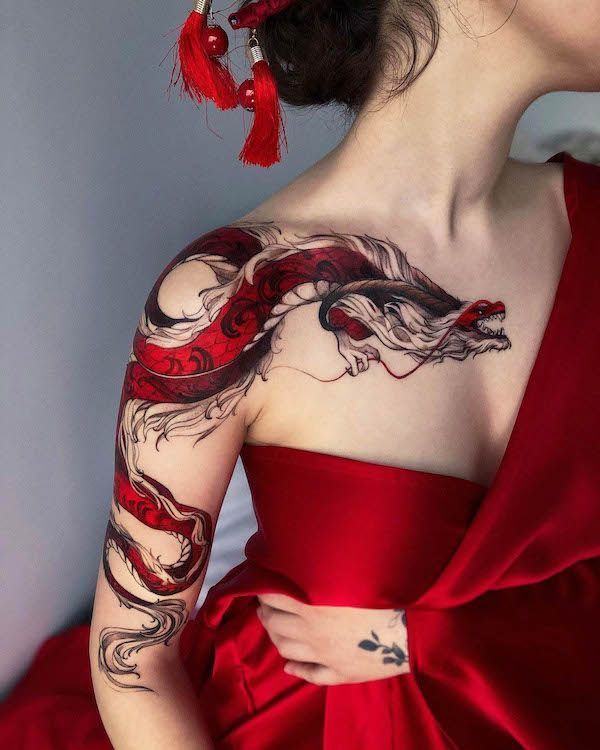
This guide covers ten practical things they should know before they buy prints, commission flash, or design a whole room around irezumi-inspired work in an Australian setting.
What does “Japanese tattoo style” actually mean for a home?
It usually means bold linework, deliberate composition, and motifs with specific meanings, not just “cool dragons.” Many Japanese tattoo pieces follow a full-scene structure with wind bars, waves, florals, and a central subject.
If they’re referencing best Japanese tattoo artist Australia portfolios for decor ideas, they should note the balance: dense detail, strong negative space, and a clear focal point. That same balance is what stops a room from feeling visually noisy.
Why should they look at an artist’s body of work before buying decor?
Because not all “Japanese-inspired” work is the same, and a home is less forgiving than a small print on a shelf. A consistent portfolio shows how an artist handles proportion, movement, and colour, which matters when it’s on a wall at eye level every day.
If they’re using Japanese Tattoo Artist Australia searches to pick a style reference, they should save five to ten pieces from the same artist and check what repeats: palettes, backgrounds, subject choices, and line weight. That becomes their decor brief.
Which motifs work best in Australian homes, and what do they signify?
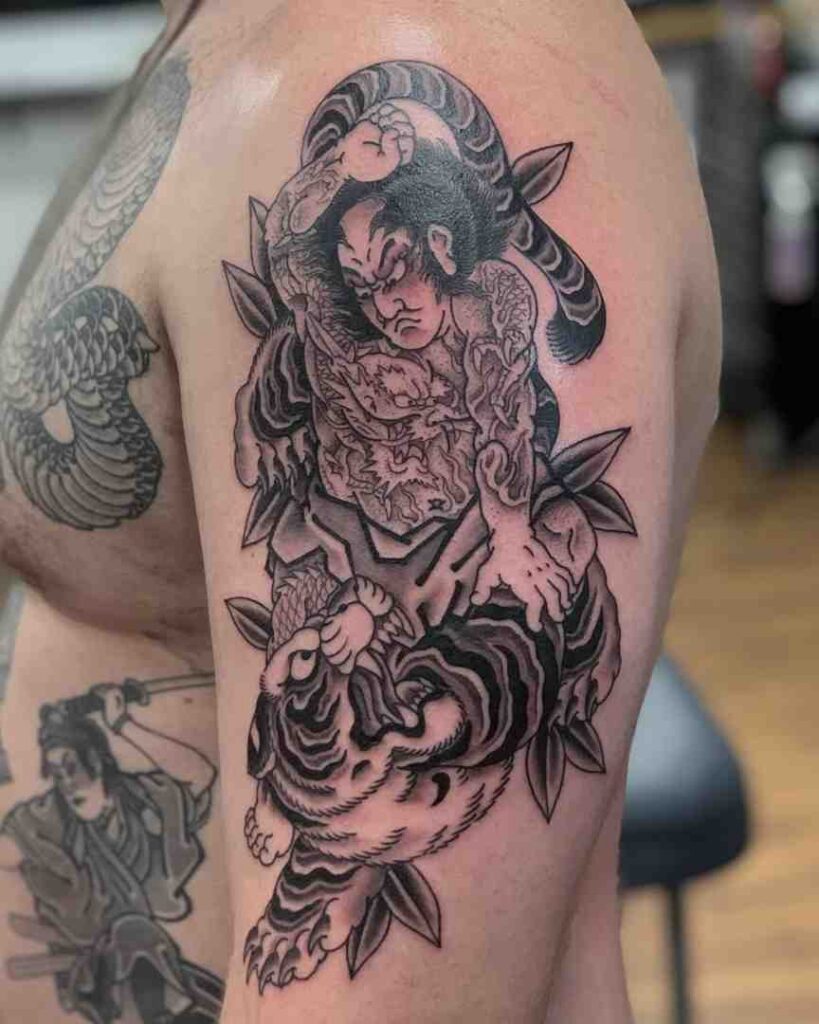
The popular motifs are popular for a reason: they read clearly from a distance and carry established symbolism. Koi often signals perseverance, cranes often suggest longevity, and peonies often represent prosperity and courage, depending on pairing and context.
When they borrow from Japanese Tattoo Artist Australia imagery, they should confirm meanings with the artist or reliable references, especially for masks, deities, and mythic figures. Some symbols are protective in intent, while others can be confrontational in a living area.
How can they avoid cultural clumsiness while still enjoying the aesthetic?
They can start by treating the style as an art tradition, not a costume. That means crediting artists, avoiding mash-ups of unrelated symbols, and not using sacred imagery purely as a prop.
If they plan to commission artwork from a Japanese Tattoo Artist Australia, the clean approach is to share the room’s purpose and mood, then let the artist guide motif choice. Respect shows up in small decisions, like not placing sacred figures in bathrooms or near bins.
Should they commission original artwork or buy prints?
Commissioning gives them scale control and a piece that fits their room’s lighting, wall size, and colour scheme. Prints are faster, cheaper, and ideal if they’re still testing what they like.
For homeowners who already know they love a particular Japanese Tattoo Artist Australia style, a custom commission can often make more sense for a statement wall. Exploring Japanese art inspiration for interiors can help those who are still deciding, as limited prints, small framed flash sheets, or curated postcard collections provide a low-risk way to introduce this aesthetic into a space.
What sizes, placements, and framing choices look intentional?
Large pieces need breathing room. A busy irezumi-style scene looks best where there’s clear negative space around it, like above a low credenza, on a stair landing, or on a hallway end wall. Tiny frames scattered across a large wall can make strong art feel weak.
If they’re framing work linked to Japanese Tattoo Artist Australia, they should consider simple black or natural timber frames and generous mats. Anti-reflective glass helps in bright Australian homes, especially where afternoon sun hits directly.
How do they match irezumi colours with Australian light and materials?
Australian light is often harsh and clear, which can amplify saturation. Reds and oranges can pop more than expected, while deep blacks can look heavier in small rooms. Natural materials like oak, spotted gum, and stone can either complement the palette or compete with it.
When they choose decor inspired by Japanese Tattoo Artist Australia, they should test colours at home first. A small print sample in the actual room, viewed morning and late afternoon, prevents regret and reduces the chance the art overwhelms the space.
What’s the smart way to use tattoo-style art across different rooms?
They should treat it like a design language, not wallpaper for the whole house. One strong focal piece per zone often works better than repeating the same subject everywhere. A living room might suit a dynamic scene, while a bedroom may feel better with calmer botanicals or simplified linework.
If they’re pulling references from Japanese Tattoo Artist Australia, they can maintain visual cohesion by repeating one key element, such as wave patterns, a restrained colour palette, or consistent framing. Using Japanese inspired home decor ideas can help create a balanced atmosphere that adds artistic character without turning the home into a gallery corridor.
How can they coordinate furniture and textiles without competing with the art?
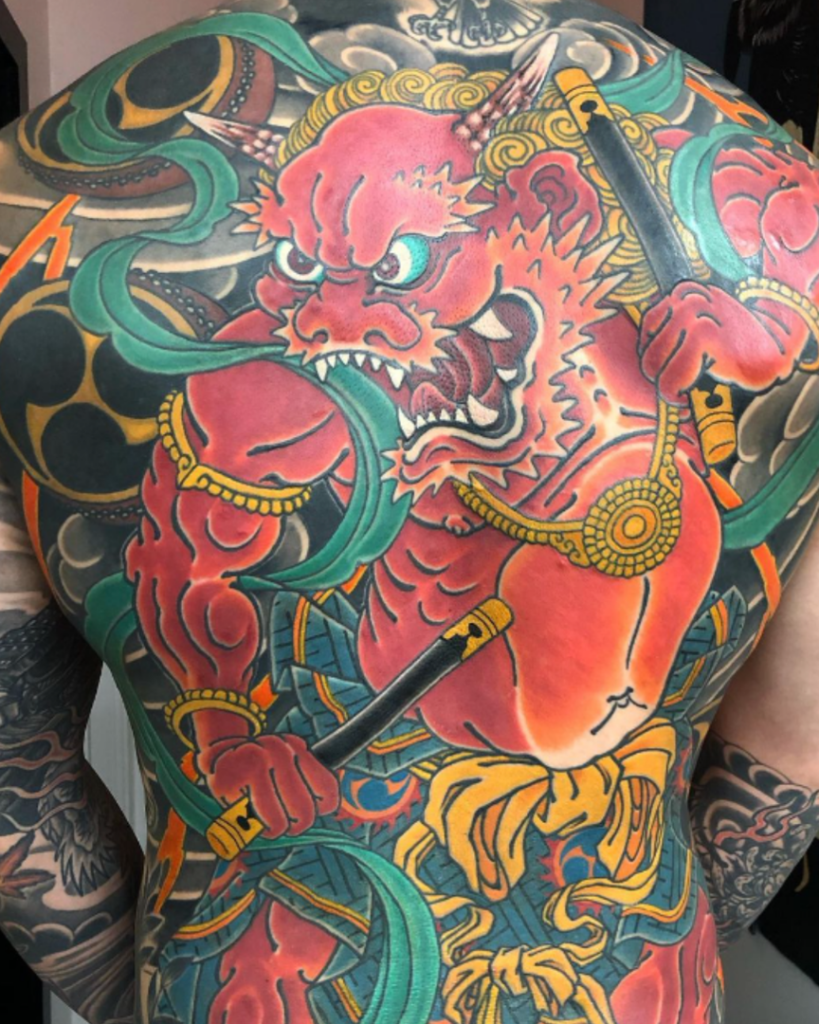
The art should lead, and the soft furnishings should support it. Busy rugs, loud cushions, and patterned curtains can fight with detailed linework. Plain-weave linens, textured throws, and solid colour upholstery usually work better.
When homeowners style around Japanese Tattoo Artist Australia-inspired pieces, they can echo one or two colours from the artwork in small doses: a rust cushion, a navy vase, or a muted green runner. The goal is harmony, not matching sets.
What should they know about etiquette, permissions, and buying from artists in Australia?
They should assume artwork is copyrighted, even if it’s a photo of a tattoo. If they want to print something large, reproduce flash, or use an image as a mural reference, they should ask first and pay for licensing where relevant.
If they’re contacting a Japanese Tattoo Artist Australia for artwork, it helps to clearly explain the intended use, whether it is for personal decor, a private collection, or another purpose rather than branding or resale. Following creative branding strategy tips can help businesses and individuals understand the difference between commissioned artwork and commercial design needs. Many artists offer prints, while some can create custom compositions specifically for interiors, which is often the cleanest approach.
What are the most common mistakes homeowners make with this style?
The biggest mistake is treating motifs as generic decoration and mixing them randomly. The second is scale: choosing art too small for the wall or too intense for a tight room. The third is ignoring light, causing glare, fading, or a piece that feels too dark.
If they’re basing choices on Japanese Tattoo Artist Australia work, they should slow down and plan like they would for a renovation. One well-placed, properly framed piece usually looks more expensive and more respectful than a dozen rushed buys.
Conclusion: what should they do first before they buy anything?
They should pick one hero wall, one mood, and one artist reference, then build outward. A short saved collection from a Japanese Tattoo Artist Australia they genuinely like can guide colour, placement, and motif decisions across the home.
Once they have that, the rest becomes simple: choose a piece that fits the room, frame it properly, and let the art do the talking.