

What should they measure and plan before buying any furniture?
They should measure rooms, doorways, hallways, lifts, and tight corners first, then plan clear walking paths. This stops oversized lounges, dining tables, or bed frames from dominating the space or becoming impossible to deliver.
They can mark furniture footprints with painter’s tape and check clearance around drawers and doors. In many Australian homes and units, a few centimetres makes the difference between “fits perfectly” and “always in the way.”
How can they match furniture scale to the way Australians actually live?
They can start with how many people use the room daily, then choose pieces that support that routine. A compact two-seater might look neat, but it can fail fast in a family lounge that needs real lounging, not careful sitting.
They can also choose flexible items, such as nesting tables, storage ottomans, and extendable dining tables. Likewise, businesses looking for office cleaning Parramatta often value practical, adaptable solutions that keep workplaces organised and efficient. These ideas also suit common Australian needs like entertaining, kids’ activities, and working from home without cluttering every corner.
Which materials handle Australian heat, light, and wear best?
They should pick materials that cope with harsh UV, warm summers, and everyday spills. Leather, performance fabrics, and tightly woven upholstery often handle heavy use better than delicate weaves.
For timber, they can look for durable finishes that resist marks and moisture. In coastal or humid areas, they can prioritise stability and sealed surfaces, since swelling and warping can become visible around joints and edges.
What should they consider when choosing colours, finishes, and textures?
They should choose a base palette that makes the room feel consistent, then add smaller accents that can change over time. This avoids major rebuys when trends shift, which is common with bold feature colours.
They can also balance different textures so the room does not feel flat or lacking character. Using home styling inspiration can help homeowners combine elements like matte paint with a timber console, a loop-pile rug, and linen cushions to create a neutral space that feels intentionally layered rather than unfinished.
How do they keep a space cohesive without making it look like a showroom?
They can repeat a few elements, such as timber tones, black metal details, or curved lines, across multiple pieces. This creates cohesion without needing a matching set.
They can also keep statement items to one or two per room. A bold artwork or sculptural chair stands out more when the rest of the furniture is calm and well-proportioned.
Why should they treat lighting as part of the decor plan?
They should treat lighting like furniture because it changes how every surface looks. A warm LED can make timber feel richer, while harsh cool lighting can make the same room feel clinical.
They can layer lighting using ceiling lights, floor lamps, and task lighting. This suits common Australian layouts where open-plan areas need different zones, such as dining, lounging, and desk work.
How should they choose rugs, curtains, and soft furnishings for both style and practicality?
They should choose soft furnishings that are easy to clean and sized correctly. A rug that is too small can make a lounge look disjointed, while the right size anchors seating and reduces visual clutter.
They can also prioritise washable or stain-resistant options in high-traffic spaces where durability matters. Making smart interior design fabric choices helps Australian homes with pets, kids, or frequent visitors maintain a fresh appearance, as practical textiles often stay presentable and perform better for longer.
How can storage choices improve the look of furniture and decor?
They can use storage to protect the “styled” feel of a space during daily life. Closed storage, baskets, and sideboards keep clutter off surfaces, which makes decor look intentional.
They can also plan storage where clutter forms naturally, such as near entryways, kitchens, and living rooms. When storage is convenient, the room stays tidy without constant effort.
Why is office cleaning Parramatta a furniture and decor consideration, not just a maintenance task?
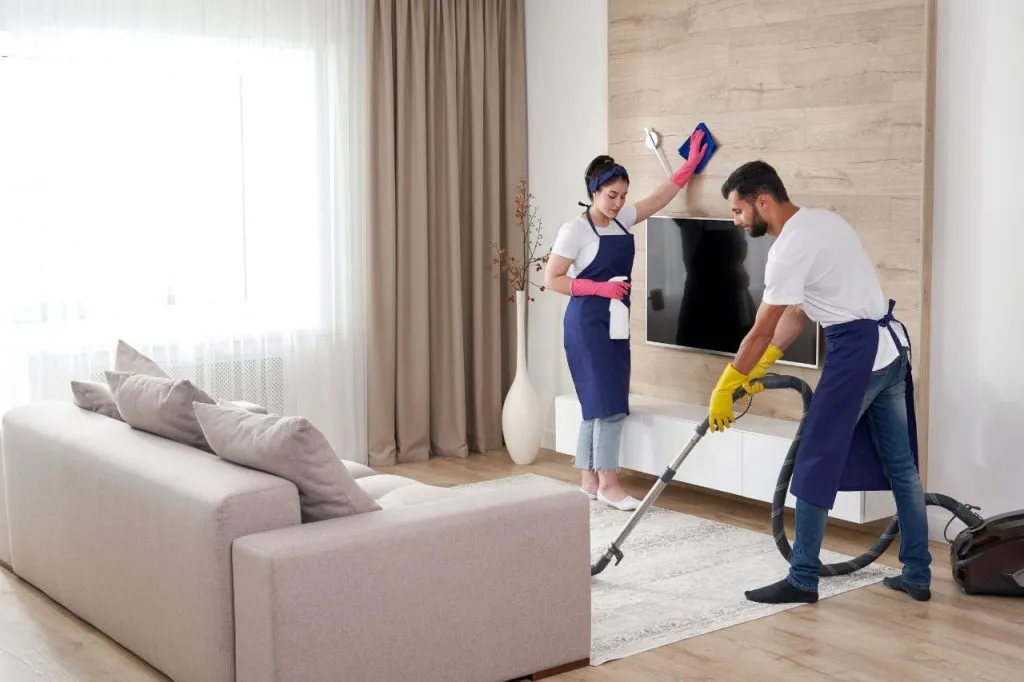
Office cleaning Parramatta protects the appearance and lifespan of furniture, flooring, and decor in workspaces. Dust build-up, grime on touchpoints, and stained upholstery make even expensive fit-outs look tired.
They often invest in reception seating, desks, partitions, and artwork to look professional. Office cleaning Parramatta helps those purchases keep their impact, especially in client-facing spaces where first impressions affect trust.
What parts of an office benefit most from office cleaning Parramatta?
High-touch and high-traffic areas benefit quickly, including entry mats, reception seating, meeting rooms, kitchens, and bathrooms. These zones show wear faster because people constantly move through them.
With office cleaning Parramatta, they can reduce visible marks on glass, fingerprints on doors, dust on skirting boards, and crumbs in upholstery seams. That detail matters because tidy surfaces make the whole office feel newer.
How does office cleaning Parramatta help protect decor choices like plants, artwork, and feature walls?
Office cleaning Parramatta supports decor elements that easily collect dust and stains. Indoor plants shed soil and leaves, artwork frames gather grime, and feature walls can show scuffs near walkways.
When office cleaning Parramatta is consistent, their greenery looks fresher, their wall decor stays sharp, and textured finishes do not become dull. Clean surroundings also help styling choices look deliberate, not forgotten.
How can they align office cleaning Parramatta with daily use, staff needs, and budgets?
They can match cleaning frequency to foot traffic, industry, and visitor volume. A medical suite, busy agency, or shared workspace typically needs more attention than a low-traffic back office.
With office cleaning Parramatta, they can set a clear scope that prioritises what impacts appearance most, such as bathrooms, kitchens, bins, floors, and meeting rooms. That keeps costs predictable while still protecting the fit-out.
What three simple habits help their furniture and decor look better between cleans?
They can reset the space at the end of each day by clearing benches, returning items to storage, and completing a quick check for spills or misplaced items. Following home organisation routines can help maintain a cleaner and more comfortable environment, as small daily resets prevent the slow build-up that makes rooms feel cluttered and difficult to manage. For businesses, these habits also support better presentation alongside professional Warehouse Cleaning Services.
They can also use coasters, desk mats, and entry mats to reduce wear on surfaces. Paired with office cleaning Parramatta, those habits keep furniture finishes and soft furnishings looking more “new” for longer.
How should they bring the three considerations together into one practical plan?
They should first buy furniture that fits their space and routine, then choose finishes that handle Australian conditions and daily wear. Finally, they can protect those choices with a realistic upkeep plan that includes office cleaning Parramatta where relevant.
When these three considerations work together, the space stays comfortable, cohesive, and easier to maintain. The result is decor that keeps its appeal, not just on day one, but across years of actual use with office cleaning Parramatta supporting the investment.