
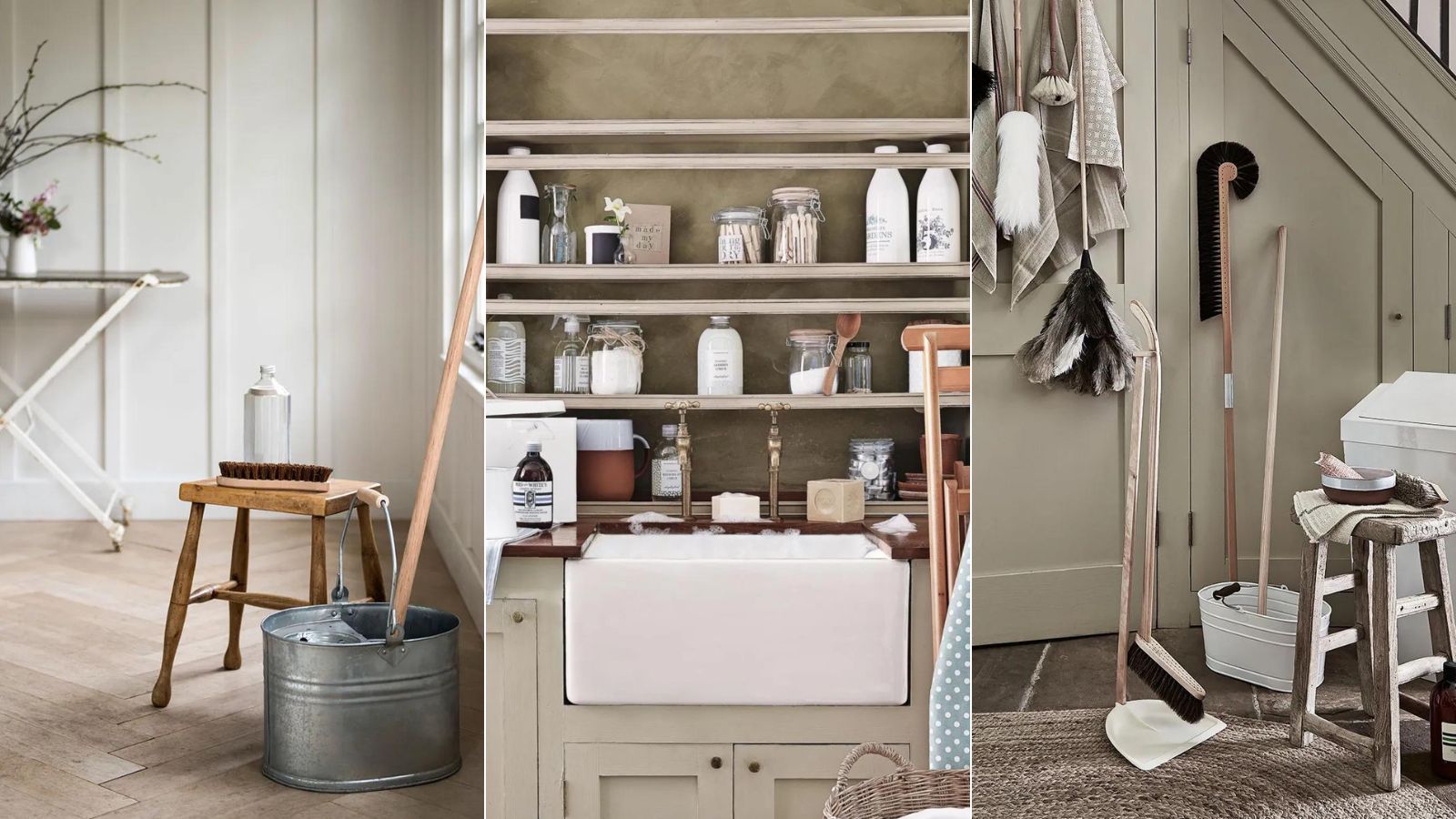
What is driving furniture and home decor trends in Australia right now?
Furniture and home decor trends in Australia are being driven by smaller footprints, hybrid work, and a stronger focus on durability. Buyers want pieces that look good online, arrive fast, and last through real use.
Across Sydney, Melbourne, Brisbane, Perth, Adelaide, Canberra, Hobart, and regional centres, retailers are also responding to higher freight costs by favouring designs that ship efficiently and reduce returns.
Which colours, materials, and finishes are shaping furniture and home decor this year?
Furniture and home decor is leaning into warmer neutrals, natural textures, and low sheen finishes. Timber tones, stone look surfaces, bouclé style upholstery, and matte hardware are common picks.
In Australian homes, these choices suit bright light, coastal climates, and relaxed styling. Similarly, warehouse cleaning services rely on practical, durable solutions that maintain clean, organised spaces. These designs also photograph well for listings, which matters when customers buy without seeing a piece in person.
How are Australian homes influencing furniture and home decor choices?
Furniture and home decor choices are closely tied to how Australians actually live, not just what looks good in a catalogue. Open plan layouts, indoor outdoor flow, and multi use rooms push buyers toward flexible furniture.
They often choose modular sofas, extendable dining tables, stackable seating, and storage heavy entertainment units, especially in apartments and townhouses where every square metre counts.
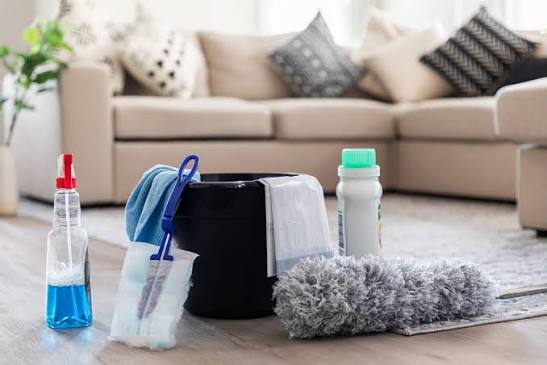
Why is multifunctional design so important in furniture and home decor?
Multifunctional design matters because furniture and home decor now needs to earn its floor space. A sofa might need built in storage, or a spare room might need to switch between guest space and home office.
This shift increases demand for flat pack and modular ranges, which changes how stock is stored and handled. It also raises the bar on packaging protection and clean, damage free dispatch processes.
What role does sustainability play in furniture and home decor purchasing?
Sustainability is becoming an important deciding factor for many furniture and home decor buyers, especially when similar products are offered at comparable prices. Many shoppers now explore eco friendly home decor choices by looking for longer warranties, repair options, and materials with clearer sourcing claims before making a purchase decision.
Retailers respond by offering certified timbers, recycled content fabrics, and take back programs in major cities. They also reduce packaging where possible, though protective transit needs still set practical limits.
How do online shopping and fast delivery change furniture and home decor operations?
Online shopping has made furniture and home decor more logistics heavy than ever. Customers expect accurate photos, precise measurements, predictable delivery windows, and quick resolution when something arrives marked or dusty.
To meet that, warehouses must run cleaner and tighter. Picking areas, wrapping stations, loading docks, and returns zones all need consistent standards so products leave in saleable condition.
What is happening behind the scenes before furniture and home decor reaches the customer?
Before furniture and home decor reaches a customer, it moves through receiving, put away, storage, picking, packing, staging, and loading. Every touch point is a chance for scuffs, crushed corners, or contamination from dust.
In Australian warehouses, seasonal surges around EOFY, Boxing Day, and new housing handovers can also compress timelines. When speed rises, cleanliness and organisation become even more important.
Why do warehouses matter so much to furniture and home decor quality?
Warehouses matter because they protect furniture and home decor from damage that customers will notice instantly. Dust on upholstery, marks on white gloss, and grit trapped in packaging can all lead to returns.
Even when products are well made, poor storage conditions can reduce their quality over time. Following effective warehouse organisation tips can help maintain clean floors, clear aisles, and controlled waste handling, which reduces avoidable issues and improves dispatch consistency.
Where do warehouse cleaning services fit into furniture and home decor supply chains?
Warehouse cleaning services support furniture and home decor businesses by keeping stock areas, packing zones, and docks fit for purpose. They help reduce dust build up, debris, and slip hazards that can disrupt daily output.
They also help maintain presentation standards for showrooms with attached storage, and for distribution centres that handle high volume cartons, pallets, and soft furnishings.
What should a furniture and home decor business expect from warehouse cleaning services?
Warehouse cleaning services should deliver reliable schedules, clear checklists, and safe methods that suit active forklift environments. They should focus on high impact areas first, including racking bases, pick faces, packing benches, and dock edges.
In Australia, they should also align with relevant WHS expectations, site inductions, and documented procedures, so the cleaning plan supports operations rather than interrupting them.
Which warehouse areas are most critical to keep clean for furniture and home decor?
For furniture and home decor, the most critical warehouse areas are where products are exposed, opened, handled, or staged. Those zones often include decanting bays, quality check tables, and wrapping stations.
Soft furnishings and light coloured finishes are especially sensitive. If dust sits on floors and gets stirred up by traffic, it can transfer to fabric, foam, and packaging surfaces.
How does cleanliness reduce returns and damage in furniture and home decor?
Cleanliness reduces returns by cutting the number of avoidable “arrived dirty” or “marked on arrival” complaints linked to warehouse handling. Furniture and home decor is often judged in seconds, so small defects feel bigger to customers.
A clean site also makes it easier to spot packaging damage early, isolate affected stock, and keep returns processing separate from new inventory to prevent cross contamination.
How do seasonal peaks affect furniture and home decor warehousing in Australia?
Seasonal peaks increase throughput, labour changes, and congestion, all of which raises risk for furniture and home decor. When aisles narrow with staged pallets and returns piles grow, dust and debris can build quickly.
Many Australian retailers plan cleaning uplift periods before peak trade and after major campaigns. That approach helps reset the warehouse and keeps dispatch accuracy strong when volumes spike.
What are common mistakes businesses make when scaling furniture and home decor operations?
A common mistake is treating warehousing as an afterthought while scaling furniture and home decor sales. They may add SKUs, expand marketplaces, or promise faster delivery without upgrading storage layouts, handling rules, or cleaning routines.
Another mistake is ignoring returns flow. If returns are opened near new stock, dust, staples, and packaging fragments can spread and undermine overall product condition.
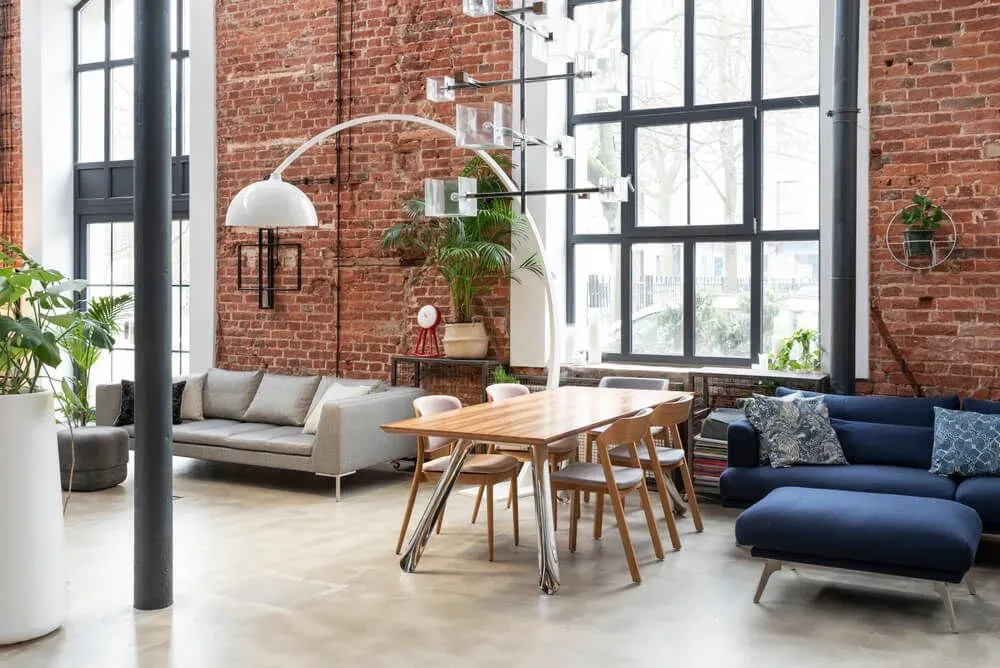
How can brands protect premium furniture and home decor stock in storage?
Premium furniture and home decor needs controlled handling and clear zoning. They typically use protective covers, dedicated bays for fragile finishes, and stricter rules around cutting tools near upholstered items.
They also benefit from regular inspection and a housekeeping rhythm that includes floors, racking contact points, and rubbish removal. Clean, uncluttered staging space reduces rushed moves that cause dents and scratches.
What does the future look like for furniture and home decor in Australia?
The future of furniture and home decor in Australia is likely to continue blending comfort, flexibility, and practical sustainability. Exploring sustainable furniture trends Australia can help buyers understand the growing demand for clear provenance claims, faster delivery options, and reliable quality across product photos, packaging, and final arrival condition. These expectations will continue shaping how homeowners and businesses choose furniture for modern spaces.
As competition grows, operations will matter as much as design. Clean warehouses, careful handling, and dependable warehouse cleaning services will keep playing a quiet but decisive role.
How can they connect trends with operations for better furniture and home decor outcomes?
They can connect trends with operations by matching product strategy to warehousing reality. If furniture and home decor ranges include more light fabrics, high gloss finishes, or modular components, the warehouse setup must support cleaner handling and better protection.
They should also review packaging, storage density, and cleaning frequency together. When design, logistics, and warehouse cleaning services work in step, customers receive products that match expectations the first time.